
Atopic dermatitis
Atopic dermatitis, or atopic eczema, is a chronic, non-contagious skin condition defined by inflammation and intense itching that typically worsens at night. The disease follows a recurrent pattern of flare-ups and remissions, presenting as dry, cracked, or brownish patches.
Its appearance shifts with age; infants usually develop small bumps on their cheeks, whereas older children and adults typically experience rashes on the scalp, hands, or within the folds of the elbows and knees. Because the condition compromises the skin barrier, patients face an increased risk of secondary bacterial and viral infections, often marked by crusting or the presence of pus.



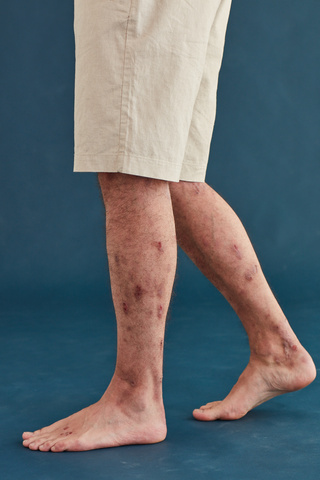

Vicente, living with Atopic Dermatitis
While atopic dermatitis affects a significant number of children and adults globally, the majority of patients first exhibit symptoms during their first year of life. Although the number of new diagnoses continues to rise, a large portion of those who develop the condition in early childhood experience spontaneous remission before they reach adolescence. For those whose symptoms persist into adulthood, the disease requires ongoing management to control inflammation and prevent localized infections.
References
- Thomsen, S.F. Atopic Dermatitis: Natural History, Diagnosis, and Treatment. ISRN Allergy. 2014;2014:1–7.
- Kowalska-Olędzka, E., Czarnecka, M., Baran, A. Epidemiology of atopic dermatitis in Europe. J Drug Assess. 2019;8(1):126–8.
- Nutten, S. Atopic dermatitis: global epidemiology and risk factors. Ann Nutr Metab. 2015;66:8–16.
- Williams, H.C. Clinical practice. Atopic dermatitis. N Engl J Med. 2005;352:2314–24.
- European guideline: Wollenberg_2025_European Guideline (EuroGuiderm) on atopic eczema: living update